Women's Wellness · Educational Series
What Your Morning Routine Isn't Telling You About Gelatin
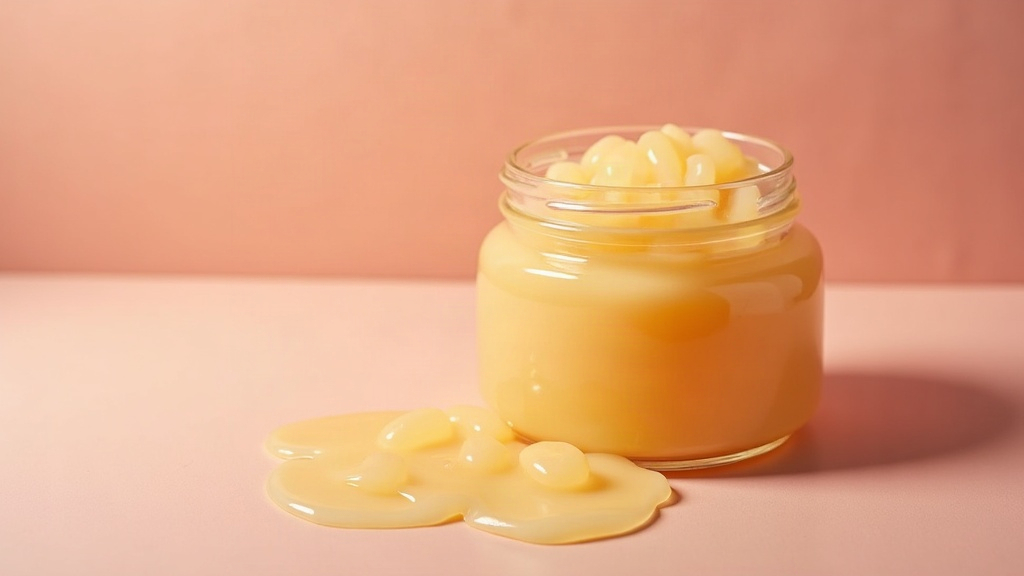
Before the coffee, before the rush out the door — a quiet look at how gelatin fits into the daily habits many women already have, and why it keeps coming up in conversations about collagen and body composition.
The Body Changes Nobody Explains Properly
Many of the shifts women notice over time aren’t random — they’re tied to processes that rarely get discussed outside a doctor’s office. Here’s what tends to come up.
Collagen Decline
Natural collagen production tends to slow with time, which is part of why gelatin — a cooked form of collagen — draws so much attention in wellness circles.
Saciety Signals Shift
The way fullness is signaled after a meal can change, which sometimes leads to rethinking what a satisfying plate actually looks like.
Lean Mass Changes
Body composition naturally shifts over the years, and lean mass is one of the pieces of that puzzle that gets less attention than it probably should.
Traditional Diet Fatigue
Restrictive, one-size-fits-all diet plans often ignore how differently women's bodies respond to food, timing, and stress.
Myths vs Facts: Metabolism and Female Weight
A lot of what circulates about metabolism doesn’t hold up. Here’s a side-by-side look.
Metabolism is fixed and can’t be influenced by habits.
Daily habits — sleep, meal composition, movement — all interact with metabolic processes in documented ways.
Cutting all fat and carbs is the only path to change.
Balanced nutrition, including adequate protein sources like gelatin, is generally considered more sustainable long-term.
Every woman’s body responds to diets the same way.
Hormonal cycles, age, and lifestyle all mean responses to the same plan can look very different from one woman to the next.
A Simple Framework, Not a Miracle Plan
This isn’t a strict protocol — it’s a way of thinking about small, repeatable habits.
Observe Your Current Routine
Before changing anything, take note of what a typical day of meals, sleep, and stress actually looks like.
Introduce One Habit at a Time
Rather than overhauling everything at once, many women start by adding a single habit — like incorporating gelatin into a recipe — and observing how it feels.
Stay Consistent, Not Perfect
Long-term patterns matter more than any single day. Consistency, adjusted to real life, tends to be more sustainable than rigid rules.
A Tradition Older Than Modern Supplements
Long before powders and capsules lined store shelves, gelatin came from slow-simmered bones and connective tissue — a practice found in kitchens across generations. Bone broths, gelled desserts, and stews were as much about using every part of an ingredient as they were about the texture and richness gelatin brought to a dish.
What’s often overlooked is that this ‘old-fashioned’ kitchen staple is chemically the same collagen structure that modern wellness discussions circle back to — cooked down into a form the body can use.
Signs Worth Paying Attention To
Unpredictable Hunger
Feeling hungry shortly after eating a full meal can be a signal worth noting rather than ignoring.
Changes in Skin Texture
Skin that feels less elastic or more prone to dryness is commonly discussed alongside collagen levels.
Joint Stiffness
Morning stiffness or discomfort during regular movement is often mentioned in the same conversations as connective tissue health.
Weight Fluctuations
Unexplained shifts in weight, even with consistent habits, are worth discussing with a healthcare provider.
Low Afternoon Energy
A consistent energy dip in the afternoon may relate to meal composition and overall dietary patterns.
Brittle Nails
Nails that break or peel more easily are frequently brought up in the same context as protein and collagen intake.
What Some Women Shared

Testimonials reflect individual experiences and opinions. Individual results may vary. These statements have not been evaluated for typical or expected outcomes.
Frequently Asked Questions
Hydrolyzed gelatin is gelatin that has been broken down into smaller protein fragments, making it easier to dissolve and mix into foods and drinks compared to traditional sheet or powdered gelatin.
Gelatin is derived from collagen through a cooking process. Chemically they’re closely related, though gelatin has a different texture and solubility profile.
Many people incorporate gelatin into soups, smoothies, or homemade gelled desserts as part of a varied diet, though it should complement — not replace — balanced nutrition.
No. This content is educational and focuses on habits, nutrition context, and general wellness information. It does not promise or guarantee any specific outcome.
No. This is educational material only and is not a substitute for professional medical guidance. Always consult a healthcare provider for personal health decisions.
The video is intended for women interested in learning more about nutrition habits, collagen, and traditional food practices, presented in an informational format.
The full video goes into more detail on the topics summarized here. You can access it through the button on this page.
Curious What Else the Video Covers?
This page only summarizes part of the discussion. The full video walks through the habits, history, and context in more depth.
Advertising Disclosure: This page contains sponsored content and affiliate links. We may receive compensation if you click on or make purchases through links on this site. This compensation does not influence the educational information presented.
Content Disclaimer: The content on this page is for educational and informational purposes only. It has not been evaluated by the FDA. It is not intended to diagnose, treat, cure, or prevent any disease. Always consult a qualified healthcare professional before making changes to your diet, exercise, or wellness routine.
Results Disclaimer: Individual results may vary. Testimonials shared on this page reflect personal experiences and opinions and are not a guarantee of any specific outcome for any individual.
© 2026 · All Rights Reserved · /contact/